
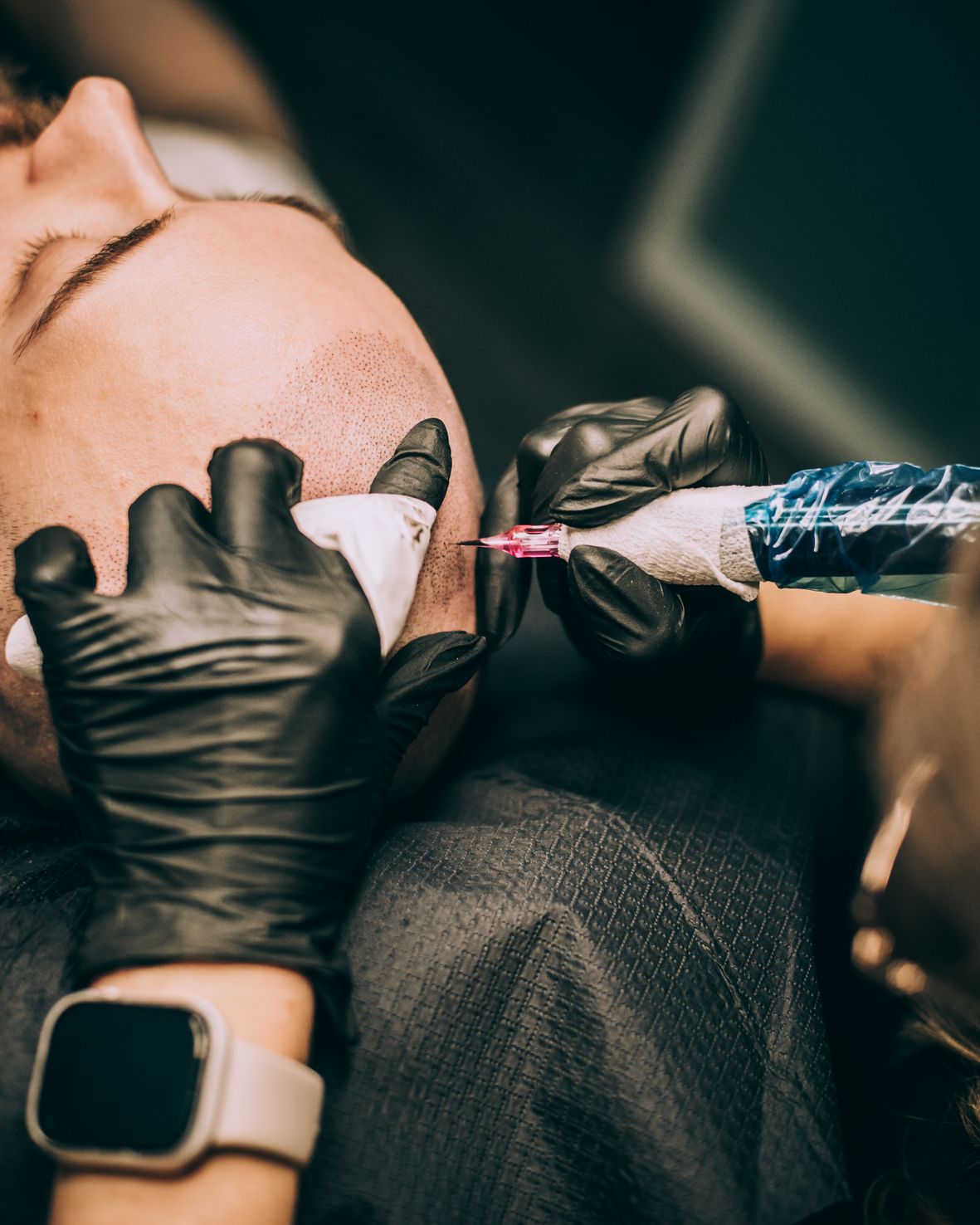
Scalp micropigmentation (SMP) and tattooing may look similar at first glance, because in both cases pigment is placed in the skin. The differences, however, are significant – they concern not only the technique, but also the purpose and the final result. Although both use similar technology, what they achieve and what they are used for are completely different.
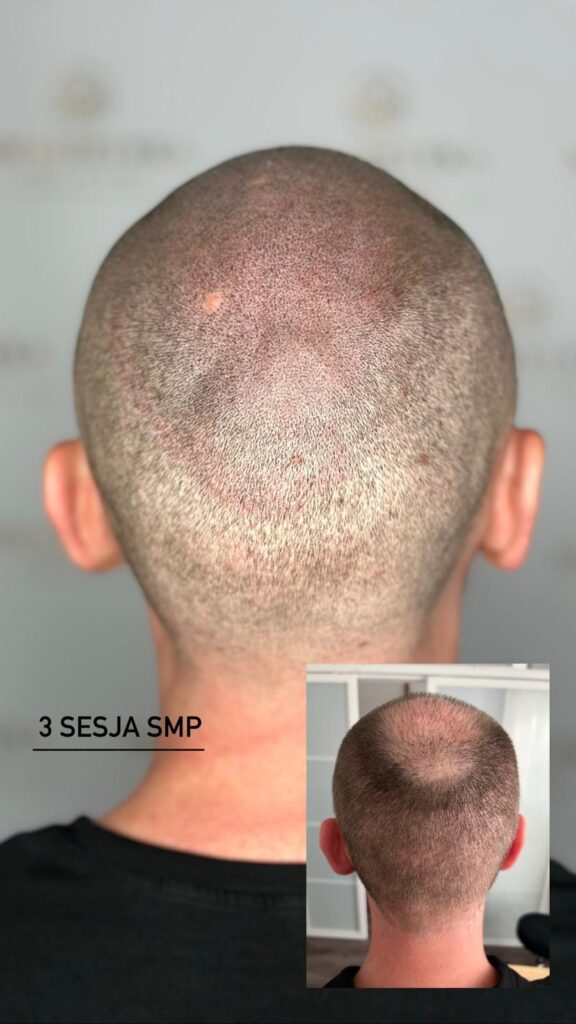
The first key difference between scalp micropigmentation and a tattoo is the purpose of the treatment. Micropigmentation is meant to improve the appearance of the scalp, especially for people dealing with hair loss or thinning hair. Its main idea is to create the impression of a fuller head of hair, to conceal scars after surgery or injuries, and to fill in areas where the hair has become sparse. The aim is a subtle, natural effect that blends into the skin and imitates natural, short hair. A tattoo, on the other hand, is a decorative art form. Tattoos are a way of expressing yourself and often carry a personal meaning. The goal is a bold, lasting design that draws attention.
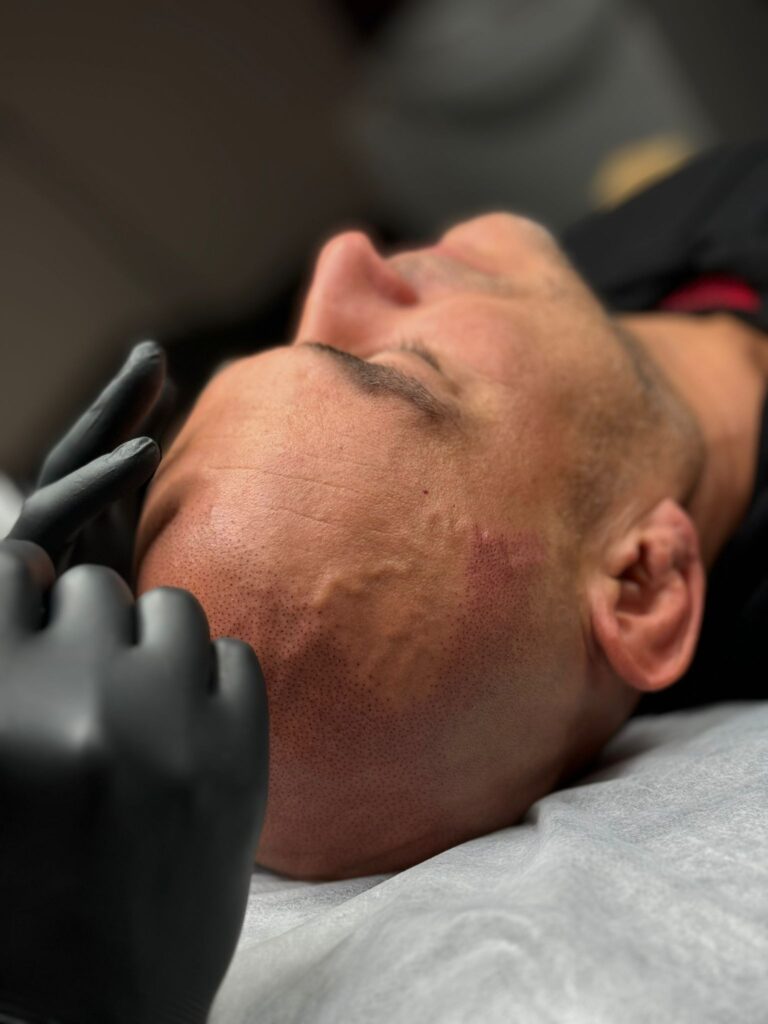
Another important point is the technique. In micropigmentation the pigment is placed very superficially, so the effect is subtle, less permanent and more natural. SMP pigments are carefully matched to imitate the natural colour of the hair. This also means the result can be corrected or adjusted in the future if needed. Micropigmentation is performed with very precise devices that make it possible to reproduce the shape and structure of hair. In a tattoo the pigment goes deeper into the dermis, so the design is more permanent but harder to change over time. Over the years a tattoo can lose intensity, fade or change colour as the skin ages.
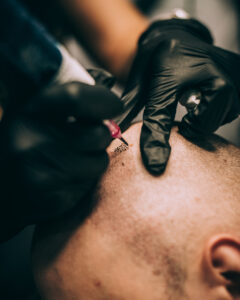
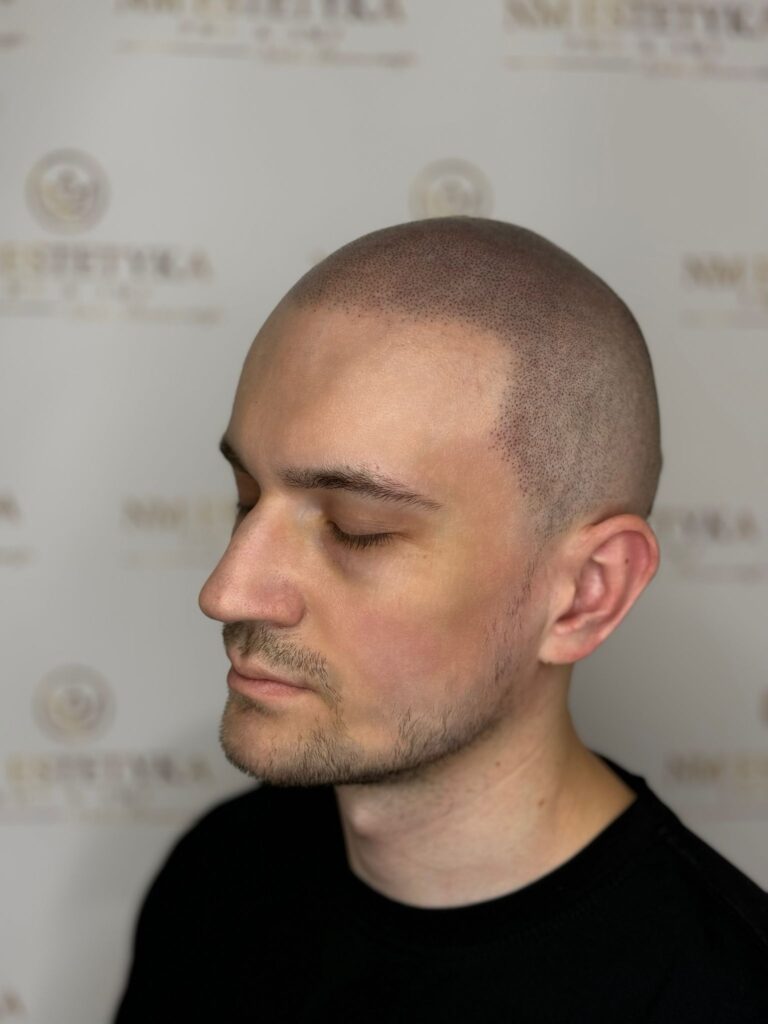
It is also worth looking at the final result. Scalp micropigmentation should look natural and resemble short, freshly cut hair. The effect should be subtle and discreet, fitting perfectly into the texture of the skin – which gives people struggling with hair loss more confidence. A tattoo is a more expressive art form – the designs are usually bolder, often colourful and distinctive. Even when a tattoo is subtle, its basic purpose is to decorate the body, not to imitate natural features as micropigmentation does.
The two treatments also need a different approach to aftercare. Micropigmentation is a more precise treatment that requires great attention to detail from the specialist to achieve a natural result, and the scalp needs proper care afterwards so the effect lasts as long as possible. A tattoo also needs care, especially right after it is done, but it is less sensitive to change – although over the years it may need a touch-up if the colour or intensity shifts.
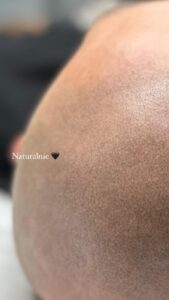
In short: micropigmentation is for people who want to improve the look of their scalp by concealing hair loss or scars, with a natural, subtle result. A tattoo is a form of artistic expression with a bolder and more permanent character. The choice depends on your goal – a discreet, natural look or a decorative design on the body.
A head tattoo vs a “hair tattoo”
Scalp micropigmentation is often casually called a hair tattoo, a scalp tattoo or tattooed hair. These names are understandable but misleading. A classic head tattoo is a design, lettering or artwork. Micropigmentation does not create a design – it creates thousands of tiny dots the size of a hair follicle that, up close, look like closely cropped hair.
Why a regular tattoo instead of hair is a bad idea
Sometimes people ask a tattoo studio for a “tattoo that looks like hair”. The result is often disappointing:
- Tattoo ink placed deeper spreads over time, so the dots merge into a solid dark patch.
- The colour of black tattoo ink often turns blue or greenish in the skin after a few years, which looks unnatural when it is supposed to imitate hair.
- Tattoo needles and technique are not designed to reproduce individual follicles and a natural, soft hairline.
Micropigmentation pigments and needles are chosen so that the dots stay small and sharp, and the shade gets lighter over time instead of changing colour. This means the result can be refreshed years later and adjusted to your age.
Does hair grow through a tattoo?
Yes. A properly done tattoo or micropigmentation does not damage hair follicles, and hair grows through pigmented skin as usual. Scars are different: hair usually does not grow on scar tissue, which is why we conceal scars after injuries or hair transplants with pigment. Read more on the scar micropigmentation page.
Head tattoos and micropigmentation
Some clients with a shaved head also have tattoos on the scalp. The two can be combined, but it takes planning:
- we perform micropigmentation around the existing design, not on top of it,
- if you are planning a new head tattoo, plan it together with your hairline so both elements match,
- a new tattoo on skin with SMP is best done only once the micropigmentation has fully healed.
Scalp micropigmentation for women
For women, micropigmentation has nothing to do with tattooing bare skin. We place pigment between long hairs, along the parting and on the crown, so the scalp no longer shows through. See the details on the Lady SMP page.
Summary
- a tattoo decorates the skin with a design, micropigmentation recreates hair,
- a tattoo used instead of hair usually spreads and changes colour over time,
- hair grows through tattoos and SMP, but usually not on scars,
- both can be combined, but it is worth planning them together.
Read more about the treatment on our scalp micropigmentation page, and ask us any questions during a free online consultation.

Related articles
Hair transplant or scalp micropigmentation: which one to choose?
A hair transplant and scalp micropigmentation (SMP) are two completely different ways of dealing with visible hair loss.…
Scalp micropigmentation aftercare: mistakes that spoil the result
Scalp micropigmentation is an effective and increasingly popular way to regain confidence and improve the look of people…
Scalp micropigmentation: 7 myths people still believe
Scalp micropigmentation is becoming more and more popular as an effective solution for hair loss. Despite its growing…