
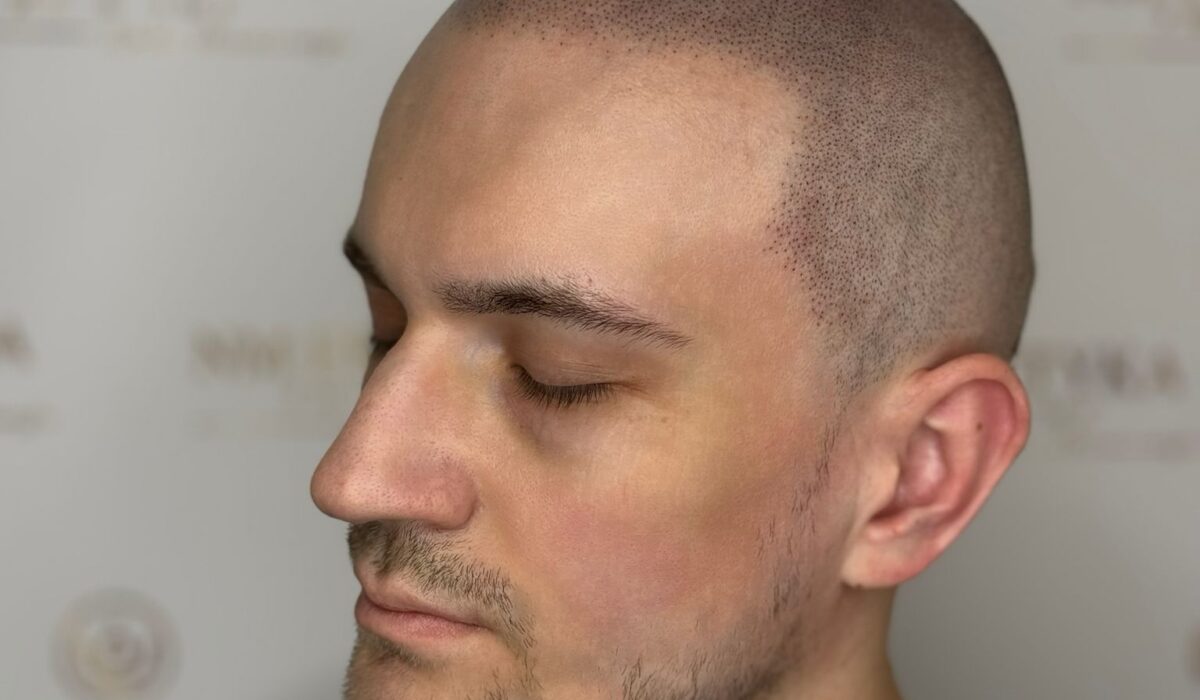
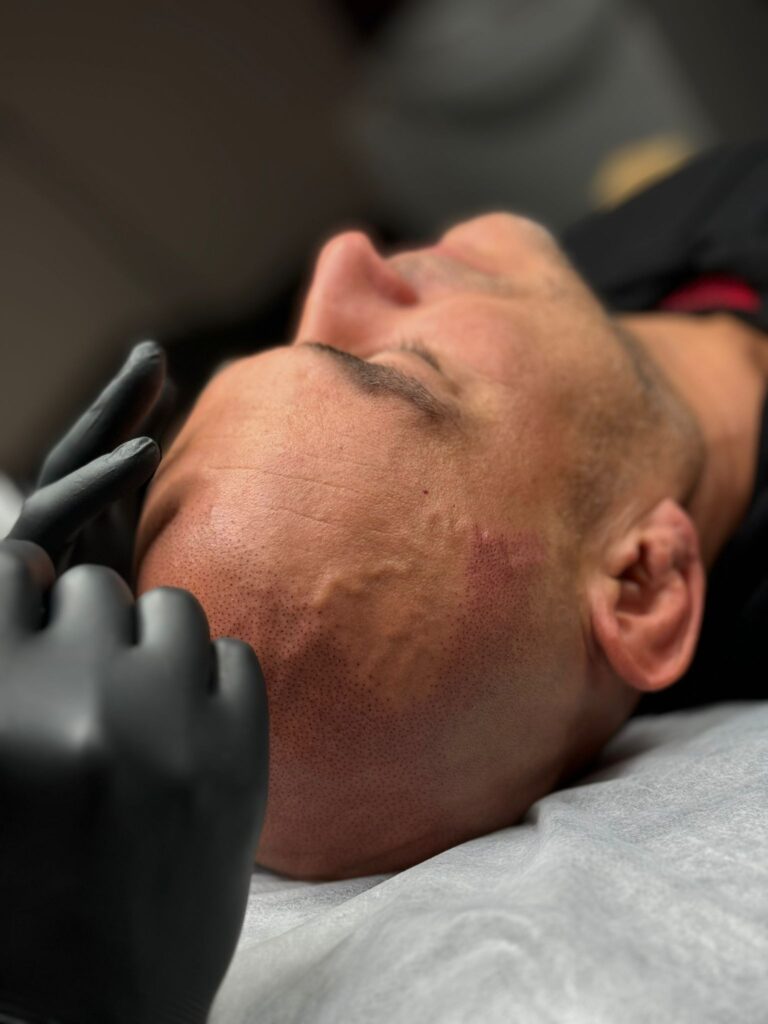
Scalp micropigmentation is an effective and increasingly popular way to regain confidence and improve the look of people dealing with hair loss. The procedure itself is relatively simple, but the final result depends on many factors. Poor technique, too little attention to preparation or the wrong aftercare can leave you far from the result you hoped for. Below are the most common mistakes before and after the treatment – and how to avoid them so that your micropigmentation looks natural and lasts a long time.
Neglecting aftercare
Proper care during the healing period is essential. In the first days after the treatment, keep your scalp away from water so the pigment does not blur and the skin can regenerate. Avoid tanning beds, as UV radiation affects the quality of micropigmentation and makes it fade. Heavy sweating, especially during intense exercise, can disturb healing and lead to pigment loss. Also avoid sun exposure and tanning for several days after the treatment – exposing the skin too early can wash out the pigment and spoil the final result. Following these recommendations helps you get a lasting, natural-looking effect.
Choosing the wrong specialist
Micropigmentation is a very precise treatment that requires experience and skill. Choosing the wrong person can lead to uneven pigment distribution and an unnatural look. Before you decide, check the specialist’s references, read reviews from previous clients and look carefully at photos of their work. A professional should have experience in scalp micropigmentation and take an individual approach, considering your needs and natural features. Only then can you count on a lasting and satisfying result.

A pigment that is too dark or the wrong shade
Choosing the right pigment is key – a shade that is too dark or poorly matched makes the result look artificial. The pigment should be carefully matched to your skin tone and natural hair colour. Too strong a contrast between the pigment and your hair makes the whole look unnatural. That is why the specialist should assess your individual features before the treatment and choose a shade that blends in with your appearance.
No detailed consultation before the treatment
Micropigmentation needs careful planning. A proper consultation lets you set clear expectations and discuss any health contraindications. During the consultation the specialist should also plan the details that affect the final result, such as the pigment, the shape of the hairline and the density. This step helps avoid misunderstandings and makes sure the result matches your preferences – do not skip it.
A touch-up done too early
A touch-up done too soon after the first session can lead to uneven pigment and an unsatisfying result. Give the skin time for the pigment to settle. The best time for any corrections is usually 4–6 weeks after the treatment, when the skin has fully regenerated and the result of the session is clearly visible.

Poor preparation for the treatment
The day before your micropigmentation, avoid alcohol. Don’t stop medicines you take regularly, but tell us about all your medicines before the treatment. This reduces the risk of excessive bleeding during the treatment, which can make it harder to place the pigment and affect the result. Your skin should also be thoroughly cleansed before the session – avoid cosmetics and anything else that could affect the quality of the micropigmentation.
If you want to improve the look of your scalp and get the natural effect of denser hair, micropigmentation can be an excellent solution. To make the result lasting and satisfying, avoid these key mistakes: touch-ups done too early, the wrong pigment and poor aftercare. Follow these recommendations and you will enjoy the result for a long time.
See also: frequently asked questions about scalp micropigmentation and 7 myths about scalp micropigmentation.

Related articles
Hair transplant or scalp micropigmentation: which one to choose?
A hair transplant and scalp micropigmentation (SMP) are two completely different ways of dealing with visible hair loss.…
Scalp micropigmentation vs tattoo: what is the difference?
Scalp micropigmentation (SMP) and tattooing may look similar at first glance, because in both cases pigment is placed…
Scalp micropigmentation: 7 myths people still believe
Scalp micropigmentation is becoming more and more popular as an effective solution for hair loss. Despite its growing…