
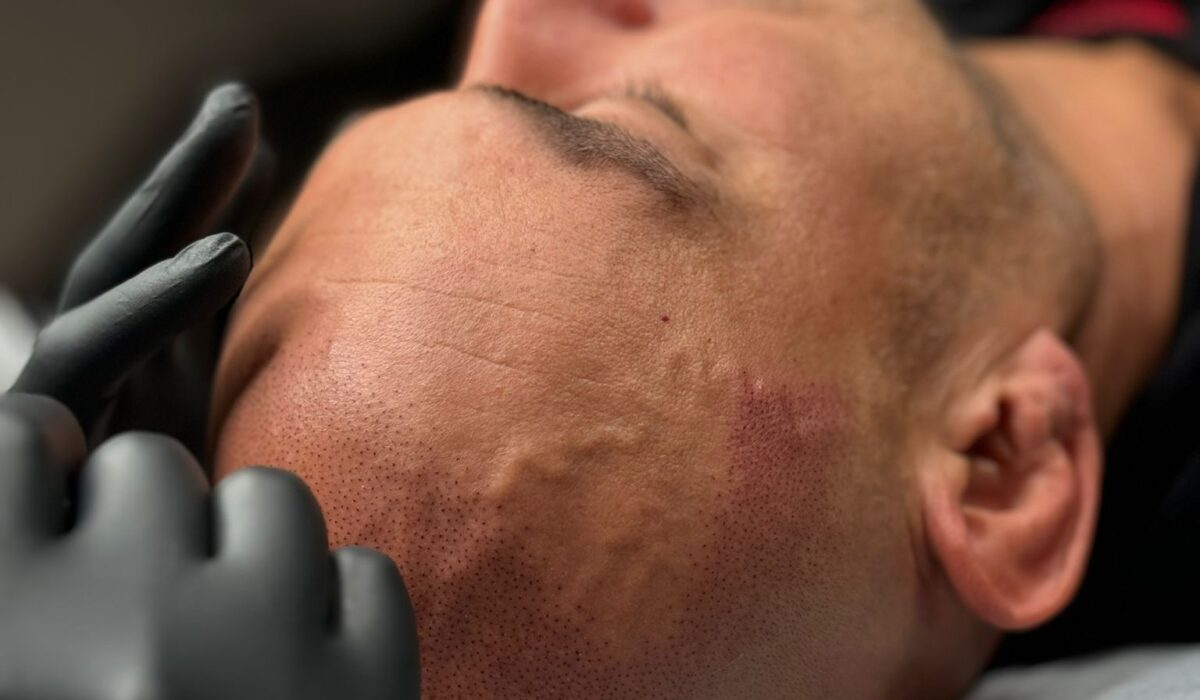
Scalp micropigmentation is becoming more and more popular as an effective solution for hair loss. Despite its growing popularity, there are still many misconceptions and myths about this technique. In this article we debunk the most common myths about SMP to give you reliable information and clear up any doubts.

Myth 1: SMP is the same as a tattoo
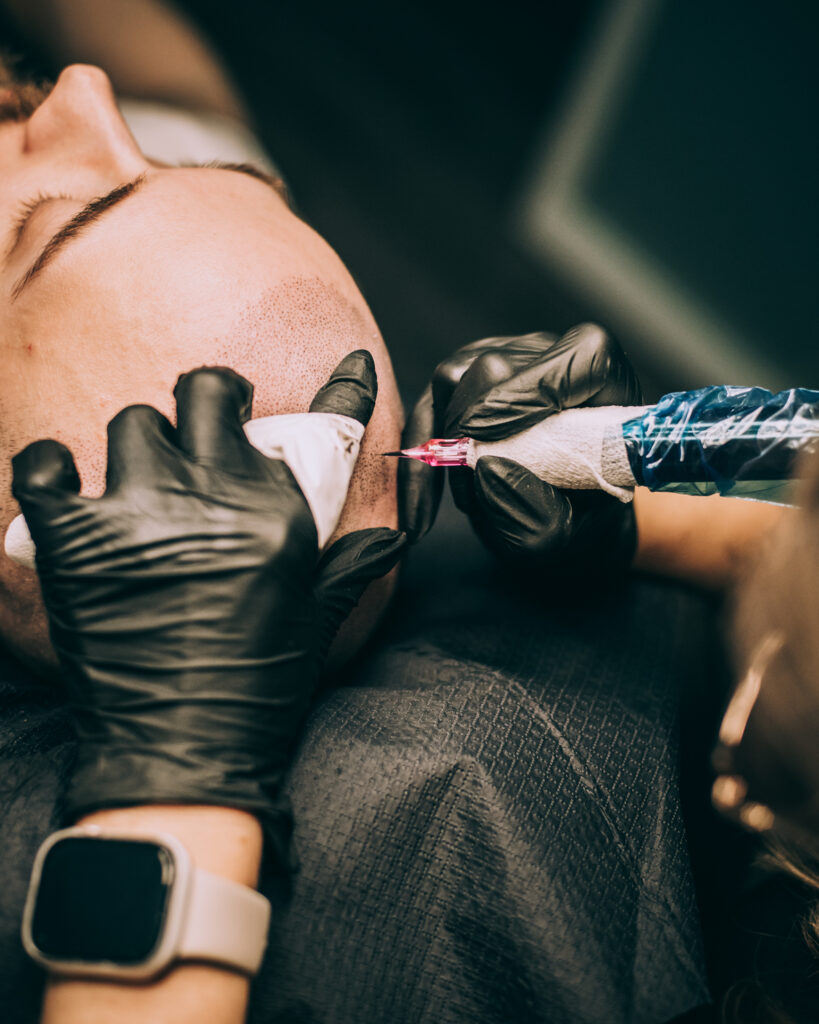
SMP and tattoos have some things in common, but there are many important differences. SMP pigments are designed specifically for the scalp and behave differently from tattoo inks. The treatment is also performed with a different technique and equipment, which gives a more natural look that imitates hair follicles. We explain the differences in detail in the article scalp micropigmentation vs tattoo.
Myth 2: SMP looks unnatural
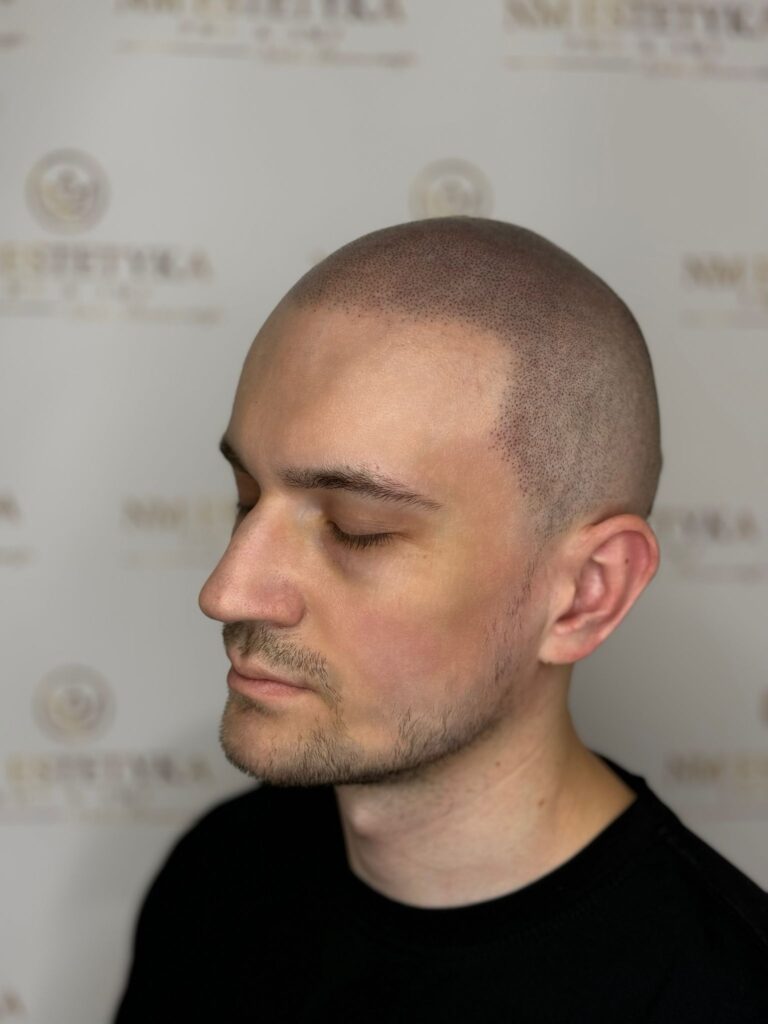
One of the biggest myths is that SMP gives an unnatural result. In reality, when the treatment is performed by an experienced specialist, the result is very realistic. Pigments are matched individually to the client’s skin and hair colour, which makes a natural look possible.
Myth 3: Scalp micropigmentation is painful
How much discomfort you feel depends on your individual sensitivity, but most clients describe the treatment as only mildly uncomfortable. It feels like gentle pricking, and most people tolerate it well – there is usually no need for anaesthesia.
Myth 4: SMP is temporary
The pigment can fade over time, but the effects are long-lasting and can stay for many years. A refresh every few years keeps the pigment and the natural look in good shape.
Myth 5: SMP is only for men
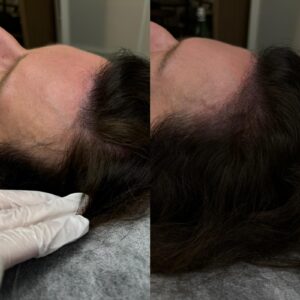
Another common myth is that scalp micropigmentation is only for men. In fact it works just as well for women (Lady SMP) who struggle with thinning hair or hair loss. SMP can help them regain confidence and improve the look of their hairstyle.
Myth 6: Scalp micropigmentation causes allergic reactions
The pigments used in SMP are hypoallergenic and safe for most people. Following the specialist’s recommendations also minimises the risk of complications. If you have a history of allergies, mention it during the consultation – if in doubt, or at your request, we can do a patch test first.
Myth 7: SMP needs no aftercare
After SMP it is important to follow the scalp aftercare recommendations. For several days you should avoid sun exposure, saunas, swimming pools and intense exercise. Keeping the scalp moisturised and avoiding irritating cosmetics helps maintain the result. Read more in our article on scalp micropigmentation aftercare.
Scalp micropigmentation is a safe and effective way to deal with hair loss and a way to regain confidence and feel better. It offers benefits for both men and women. If you are considering the treatment, talk to an experienced specialist who will answer your questions and help you achieve the result you want.
See also: scalp micropigmentation training.

Related articles
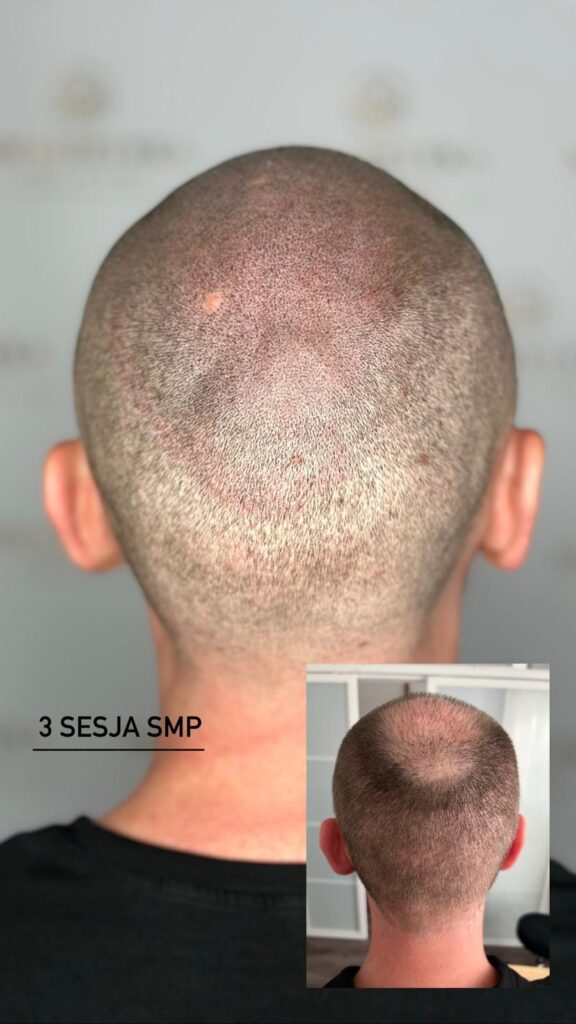
Hair transplant or scalp micropigmentation: which one to choose?
A hair transplant and scalp micropigmentation (SMP) are two completely different ways of dealing with visible hair loss.…
Scalp micropigmentation aftercare: mistakes that spoil the result
Scalp micropigmentation is an effective and increasingly popular way to regain confidence and improve the look of people…
Scalp micropigmentation vs tattoo: what is the difference?
Scalp micropigmentation (SMP) and tattooing may look similar at first glance, because in both cases pigment is placed…